What Is a Mortise Lock and Why Are They Everywhere in Philadelphia Homes?
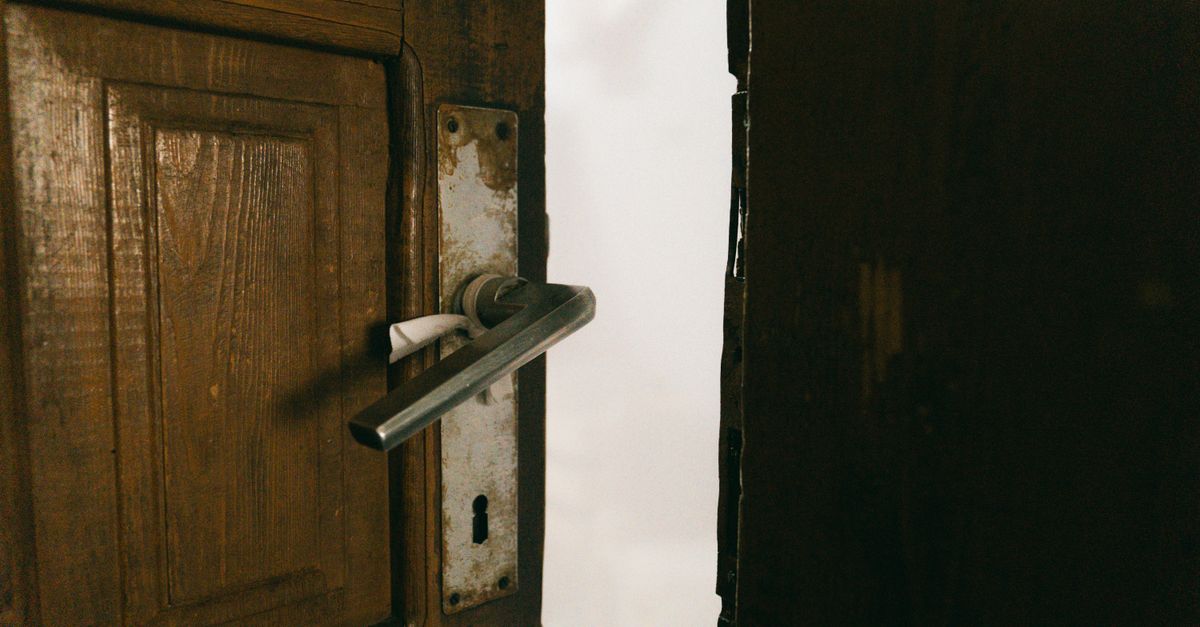
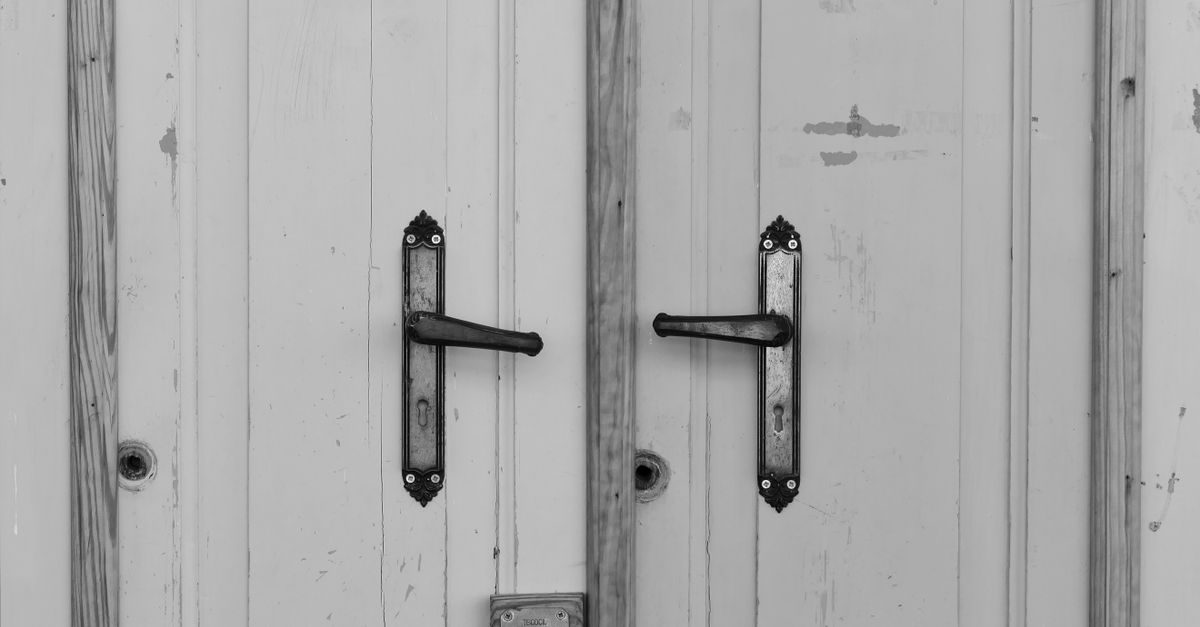
A mortise lock is a lock mechanism that lives inside a rectangular pocket — the mortise — cut into the body of the door itself. Unlike a bored cylindrical lock (the type you see on most modern interior doors), the mortise lock houses its latch, deadbolt, and sometimes a privacy or passage function all within one solid steel or cast-iron case. The face plate, strike plate, and exterior trim are the only parts you see; the real mechanical complexity is buried inside the door stile. This design made it exceptionally strong and tamper-resistant for its era, which is exactly why architects specified it on nearly every Philadelphia rowhouse and apartment building constructed before World War II.
From Fishtown to Fairmount, from Society Hill to Strawberry Mansion, these locks are still actively used on original front doors, vestibule entries, and interior apartment doors. A full mortise lock set typically includes the lock body, a pair of lever or knob trim pieces, a rose or escutcheon plate, a cylinder, and the matching strike. When any one of those components wears out or breaks, the entire door can become difficult or impossible to operate safely — which is why calling an experienced locksmith rather than forcing or improvising a fix is always the right first step.