What Is a Mortise Lock and Why Commercial Doors Depend on One
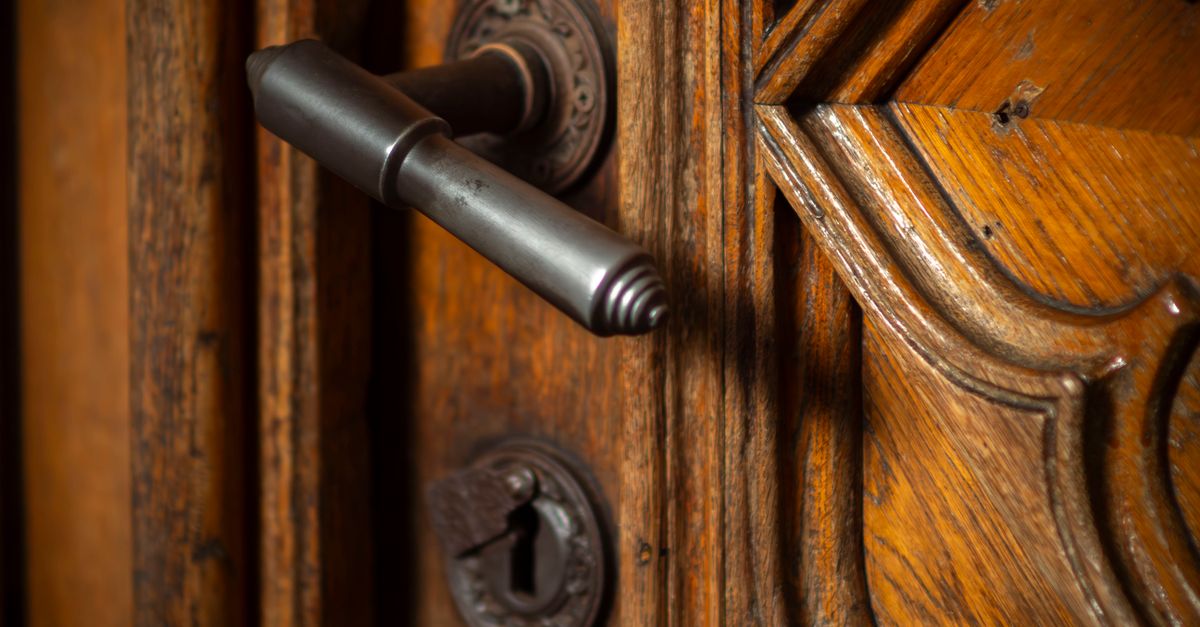
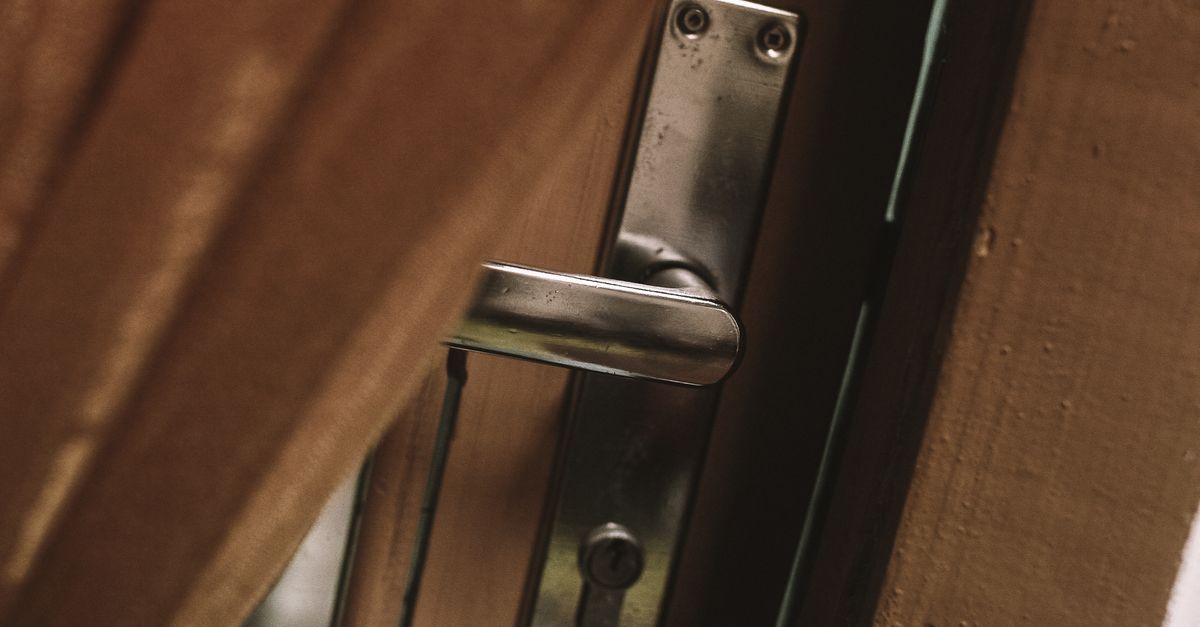
A mortise lock is a lock body that sits inside a mortise — a precisely cut rectangular pocket — within the door itself, rather than being bolted onto the surface like a standard knob or lever set. This internal installation gives the lock exceptional resistance to kick-in and pull attacks, which is exactly why commercial property owners in Philadelphia choose them for storefront doors, office suites, and multi-tenant building entries. The full assembly typically includes a lock body, a mortise lock cylinder that accepts the key, a latch bolt, a deadbolt, an escutcheon plate, and interior and exterior trim. Brands such as Corbin Russwin mortise lock hardware and Baldwin mortise lock sets are common throughout Philadelphia's older commercial buildings, and our technicians are experienced with both legacy hardware and current product lines.
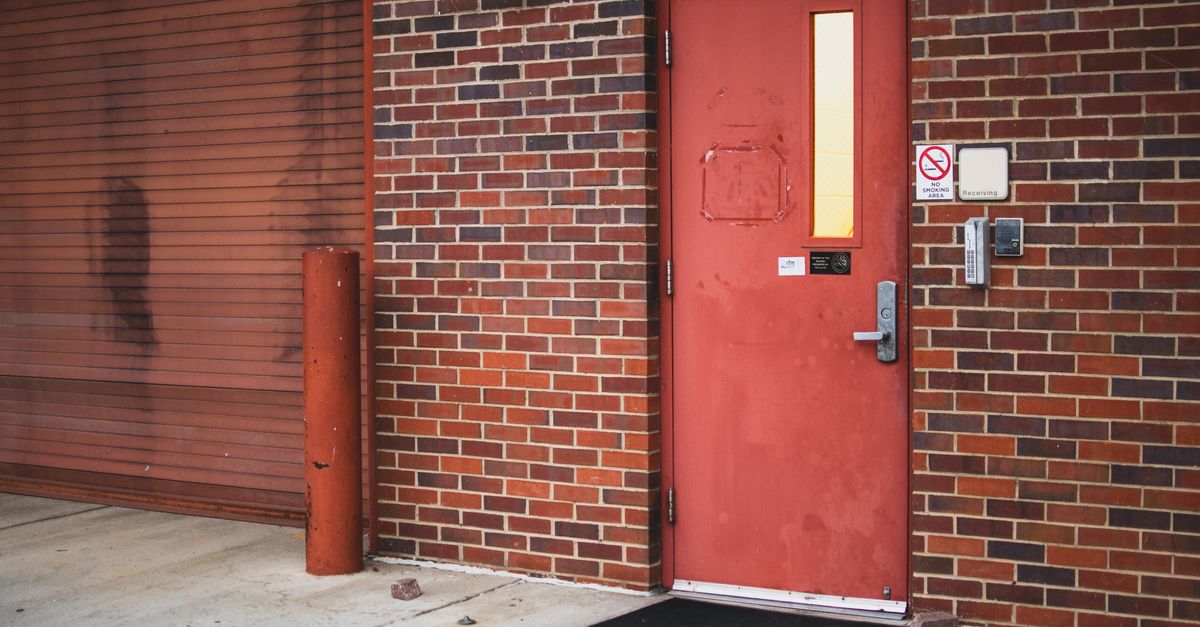
Beyond the mechanical cylinder lock, the mortise platform also supports integrated electric mortise lock configurations, where an electric strike or solenoid controls access from a buzzer panel, keypad, or access control system. You will also find mortise-style mechanisms adapted for sliding door mortise lock applications on glass storefront sliders and for panic exit devices — the push-bar hardware required by fire code on many Philadelphia commercial doors. When any component of this system fails, it affects not just security but also legal occupancy compliance. That is why a qualified commercial locksmith response matters more than a generic handyman visit.