A1 Philadelphia Locksmith Service Team
Local locksmith team
May 15, 2026 11 min read
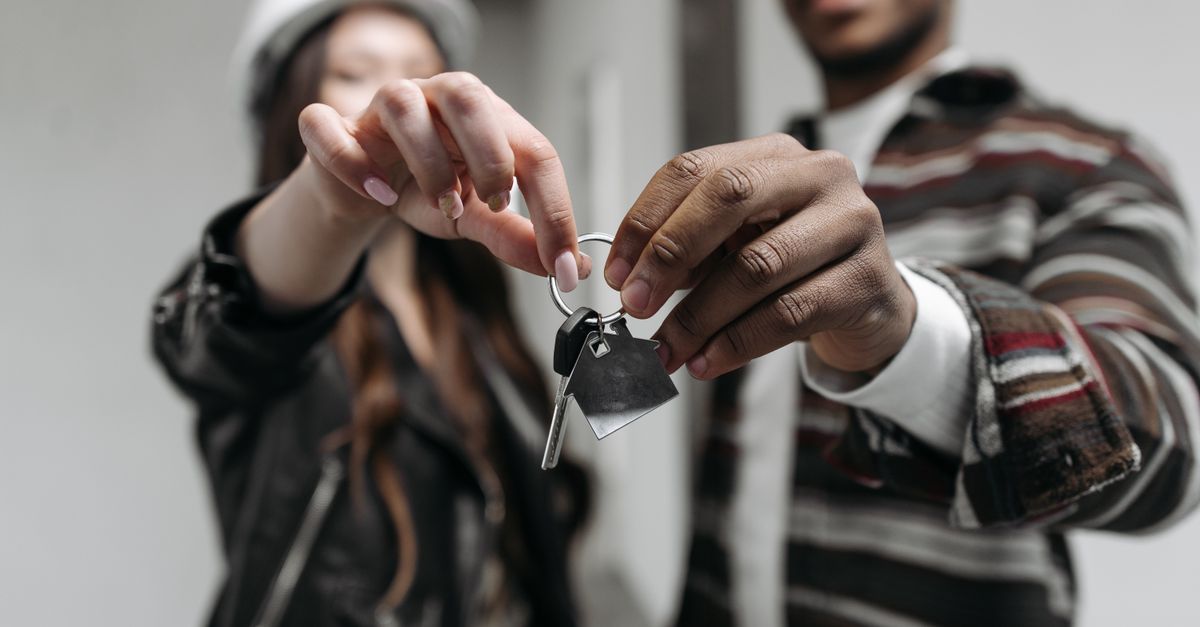
You just got the keys to your new Philadelphia home — maybe a rowhouse in Fishtown, a twin in West Philly, or a condo steps from Rittenhouse Square. Congratulations. Now comes a question that every new homeowner and renter should ask before unpacking a single box: who else has a copy of those keys? Previous owners, former tenants, real estate agents, contractors, and neighbors may all have had access. The smartest move you can make on day one is to secure your locks — and the two main options are rekeying your existing locks or replacing them entirely. Knowing which is right for your situation can save you time, stress, and money.
This guide breaks down both options honestly, covers the specific lock hardware common in Philadelphia homes — including mortise locks found on older rowhomes throughout the city — and helps you decide what actually makes sense for your doors. Whether you are a first-time buyer or a renter who just signed a lease, A1 Philadelphia Locksmith is here 24/7 to walk you through it.
## Rekeying vs. Replacing: What Each Option Actually Means
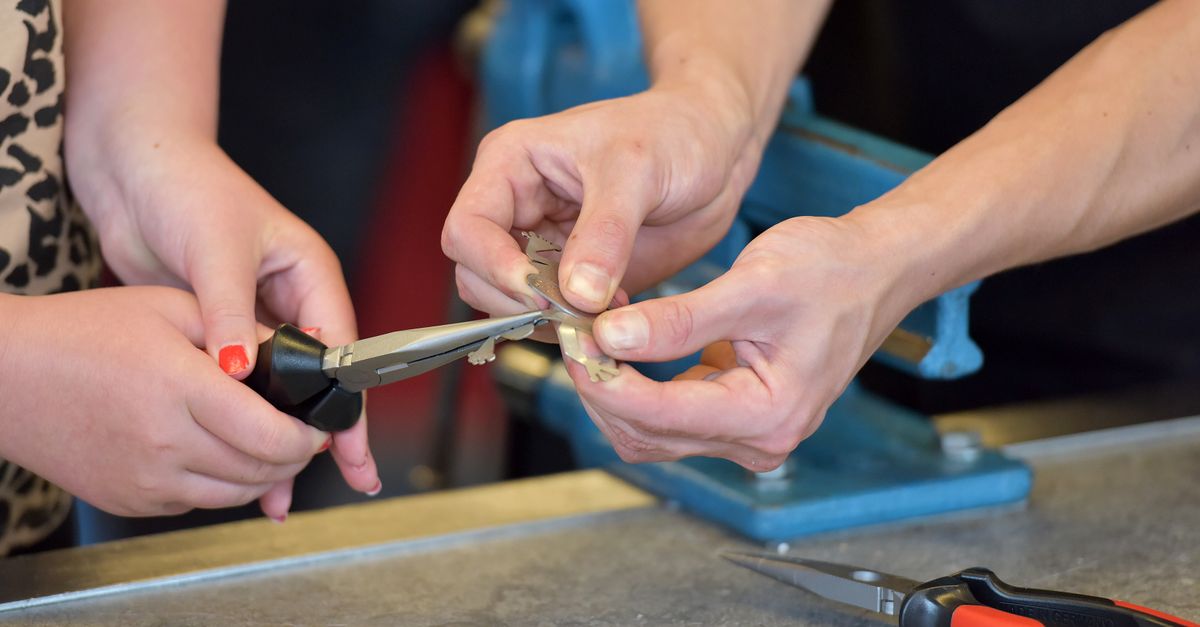
Rekeying a lock means a locksmith disassembles the cylinder inside your existing lock and rearranges the internal pin tumblers so that the old keys no longer work. A new set of keys is then cut to match the new configuration. The lock hardware itself stays on the door — only the internal pin pattern changes. This is an effective, well-established method for cutting off access from anyone who had a previous key, and it works on most standard deadbolts and knob locks.
Replacing a lock means removing the entire hardware unit — lockset, cylinder, and all — and installing a new one. This is the right call when the existing hardware is worn, damaged, outdated, or simply not up to the security standard your home deserves. In older Philadelphia rowhouses and prewar buildings, you will often find aged mortise lock hardware that has seen decades of use. A mortise lock is a rectangular mechanism set directly into a pocket cut into the door edge, and it controls both the latch and the deadbolt from a single unit. When that hardware is fatigued, a rekey alone is not enough — full replacement with a quality mortise lock is the correct answer.
## When Rekeying Is the Right Move for a Philly Home
Rekeying makes the most sense when your existing locks are in solid working condition — the deadbolt throws cleanly, the knob or lever turns smoothly, and the hardware is not visibly worn or loose. If the locks on your new home are relatively modern, properly installed, and functioning correctly, rekeying is an efficient way to establish control over who holds a working key. It is typically faster than a full swap, requires no new hardware on your end, and the result is the same from a security standpoint: any key cut before the service date becomes useless.
It is also worth considering a master key system if you are moving into a property with multiple entry points — a front door, a back door, an interior garage entry, and a basement access point, for example. A skilled locksmith can rekey all of those cylinders to accept a single key while keeping each lock independently functional. For renters, always check your lease — some landlords are required to rekey between tenants under Philadelphia's housing codes, but many do not. If your landlord has not confirmed a rekey, it is worth arranging one yourself for peace of mind.
## Mortise Lock Replacement and When Old Hardware Has to Go
Philadelphia's housing stock is genuinely old. The city has more rowhouses than any other in the United States, and a huge portion of them were built between the 1880s and the 1940s. That means a lot of doors still have original or decades-old mortise lock hardware. A mortise lock is built into the door itself rather than sitting on the surface, which makes it quite strong when properly maintained — but when the internal mechanism wears out, the body of the lock cracks, or the faceplate no longer sits flush, no amount of rekeying will fix the underlying problem.
In those cases, full mortise lock replacement is the right service. A qualified locksmith will remove the existing unit from the door pocket, verify the dimensions and backset, and install a new mortise lock body — often a Schlage or similarly robust option — that fits the existing cutout or requires only minor modification. This is also the moment to consider an upgrade: modern mortise lock cylinders can be picked up to grade-1 security standards and paired with anti-drill hardened steel components. If you have a sliding glass door with a worn or flimsy latch, a sliding glass door replacement mortise lock can be fitted to dramatically improve the security of that entry point, which is one of the most commonly overlooked vulnerabilities in Philadelphia-area homes. Once the hardware is right, your locksmith can cut matched keys for every family member and confirm the door closes and latches properly before the job is considered done.
If you are unsure whether your current locks need rekeying or full replacement, call 215-267-1379 and describe what you have — our team can often give you a clear recommendation before we even arrive.
## What to Do If You Are Locked Out: Door Knob Lock and Deadbolt Situations
Getting locked out of your new home is more common than most people expect, especially in the first few weeks when routines are not yet established. The first thing to do is check every other point of entry calmly — a side gate, a back door, a garage door, or a window left on the latch. Check whether a neighbor or your real estate agent still has a spare from the showing process. These steps cost nothing and sometimes solve the problem in minutes.
If none of those options pan out, the right move is to call a professional emergency locksmith rather than attempting to force anything yourself. Questions like 'can a locksmith get into a deadbolt' or 'how to break into a knob lock' come up in online searches all the time, and the honest answer is: yes, a trained locksmith has the skills and tools to open a door knob lock or a deadbolt non-destructively in most cases — but the techniques involved require professional training and legitimate ownership verification. Any legitimate locksmith will ask you to confirm your identity and your right to access the property before beginning work. Attempting to force a door knob lock or a deadbolt yourself risks damaging the lock body, the door frame, and in some cases the door itself, turning a simple lockout into an expensive repair. For emergency locksmith service across Philadelphia — from Center City to the Northeast and down into South Philly — A1 Philadelphia Locksmith answers every call, every hour.
## Pricing Factors, Licensing Questions, and Finding Help in Philadelphia
One of the most common questions new Philly homeowners ask is: how much is a locksmith in Philadelphia, or more broadly, how much should locksmiths charge? The honest answer is that the final quote depends on several specific factors: the type of lock hardware involved (a basic knob lock costs less to service than a full mortise lock), the time of day (after-hours and emergency locksmith calls involve different logistics than a scheduled daytime appointment), travel distance to your address, and whether parts — new lock cylinders, keys, or hardware — are needed. A1 Philadelphia Locksmith provides an exact, confirmed price before any work begins, so there are never surprises on your invoice.
Another question that comes up often: do locksmiths need a license in Pennsylvania? Pennsylvania does not currently require a statewide locksmith license, but that does not mean all locksmiths are equally qualified. Our team is trained, experienced, insured, and practices to a professional standard on every job — residential, commercial, and automotive. What to do if you cannot afford a locksmith right now? Be honest about your situation when you call — we will explain exactly what the job involves and confirm the price upfront so you can make an informed decision. We never begin work without your agreement. And if you are wondering where to find an emergency locksmith Philadelphia residents can count on at 3 a.m. on a Sunday, the answer is straightforward: A1 Philadelphia Locksmith at 215-267-1379, available every hour of every day, no exceptions.
Beyond residential rekeying and mortise lock replacement, our mobile team handles a full range of services across the Philadelphia area: residential lock rekeying, residential lock replacement, mortise lock installation and replacement, deadbolt installation, knob lock and lever lock service, sliding glass door lock replacement, master key system setup, high-security lock upgrades, smart lock installation, door frame and strike plate reinforcement, lockout service for homes, commercial locksmith service including office and storefront lock installation, commercial deadbolt and mortise lock replacement, panic bar and exit device installation, access control system installation, key control systems for multi-unit properties, commercial master key systems, safe opening and safe lock replacement, file cabinet and desk lock service, automotive locksmith service including car lockout response, car key replacement, transponder key programming, laser-cut key cutting, ignition repair and replacement, broken key extraction from locks and ignitions, and emergency locksmith response for all of the above — 24 hours a day, 7 days a week throughout Philadelphia and the surrounding area.
## Our Recommendation: What Most New Philadelphia Homeowners Should Do
For the majority of new homeowners and renters moving into a Philadelphia property, the practical answer is this: schedule a professional lock assessment on day one. A qualified locksmith will inspect each entry point, test the hardware, identify any worn or compromised components, and give you a clear recommendation — rekey where the hardware is sound, replace where it is not. In many Philly rowhomes, you will find a mix: a front deadbolt that just needs rekeying, a back door knob lock that is worn and overdue for replacement, and a vintage mortise lock on the main door that may need a new cylinder or a full swap.
This is not a situation where guessing serves you well. The cost of a professional assessment is straightforward and confirmed before work begins. The cost of a break-in — or of discovering that a previous tenant still has a working key — is considerably harder to absorb. A1 Philadelphia Locksmith is a 24/7 mobile locksmith serving all of Philadelphia, from Manayunk to Mayfair, Kensington to Chestnut Hill. Call 215-267-1379 any time — day or night — and let us help you start your time in your new home the right way.
Frequently asked questions
Should I rekey or replace the locks when I move into a new Philadelphia home?+
In most cases, rekeying is sufficient if the existing lock hardware is in good working condition — it renders all previous keys useless at a lower cost than full replacement. However, if the hardware is worn, damaged, or outdated (very common in older Philadelphia rowhomes with aging mortise lock units), replacement is the smarter long-term investment. A professional locksmith can inspect your locks on-site and give you a clear, honest recommendation before any work begins.
Can a locksmith open a deadbolt or door knob lock if I am locked out?+
Yes — a trained, experienced locksmith can open a deadbolt or door knob lock non-destructively in most situations, using professional techniques that do not damage the hardware or the door. Before beginning, any legitimate locksmith will verify your identity and your right to access the property. If you are locked out of your Philadelphia home, calling a professional is always safer and usually faster than attempting to force entry yourself, which risks damaging both the lock and the door frame.
How much does a locksmith cost in Philadelphia, and what affects the price?+
The final price depends on several factors: the type of lock hardware involved (for example, a mortise lock replacement involves more work than a standard deadbolt rekey), the time of day, travel distance to your location, and whether new parts or hardware are needed. A1 Philadelphia Locksmith confirms an exact price with you before any work starts — there are no hidden charges added after the job is done. Call 215-267-1379 to describe your situation and get a clear answer.
Do locksmiths in Pennsylvania need to be licensed?+
Pennsylvania does not currently have a statewide locksmith licensing requirement, which means the quality of locksmith services can vary. When choosing a locksmith, look for a team that is trained, experienced, insured, and willing to verify identity and ownership before gaining access to your property. A1 Philadelphia Locksmith meets all of those standards and serves the Philadelphia area around the clock at 215-267-1379.